Hooray Machine
← Back to today · Delight
The good stuff keeps

Delight stories.

Today and earlier editions, with their original dates and sources.

edition

DelightIn use

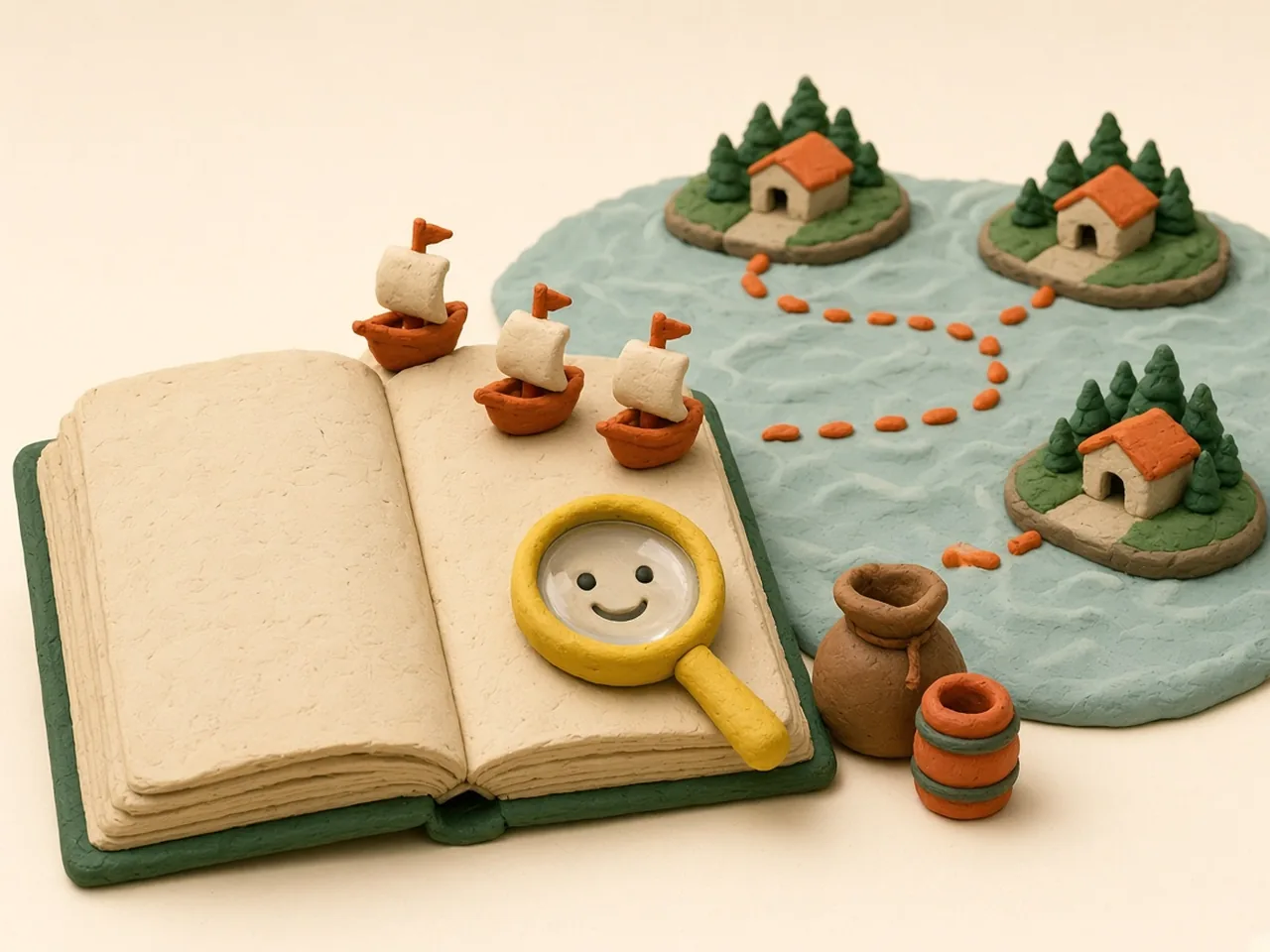
AI read about 100,000 pages of handwritten port books, giving everyone a free map of Britain’s sea trade from Elizabeth I to George III

University of Southampton historians trained AI to read about 100,000 pages of handwritten port books held at the National Archives, an unbroken customs record of voyages from 1565. The result is a free interactive map and database of hundreds of thousands of voyages. It shows coal topped the cargo lists and Europe made up about 80 percent of England’s overseas trade in 1696–97.

Primary source · Source · The story + sources
More like this?
edition

DelightPromising

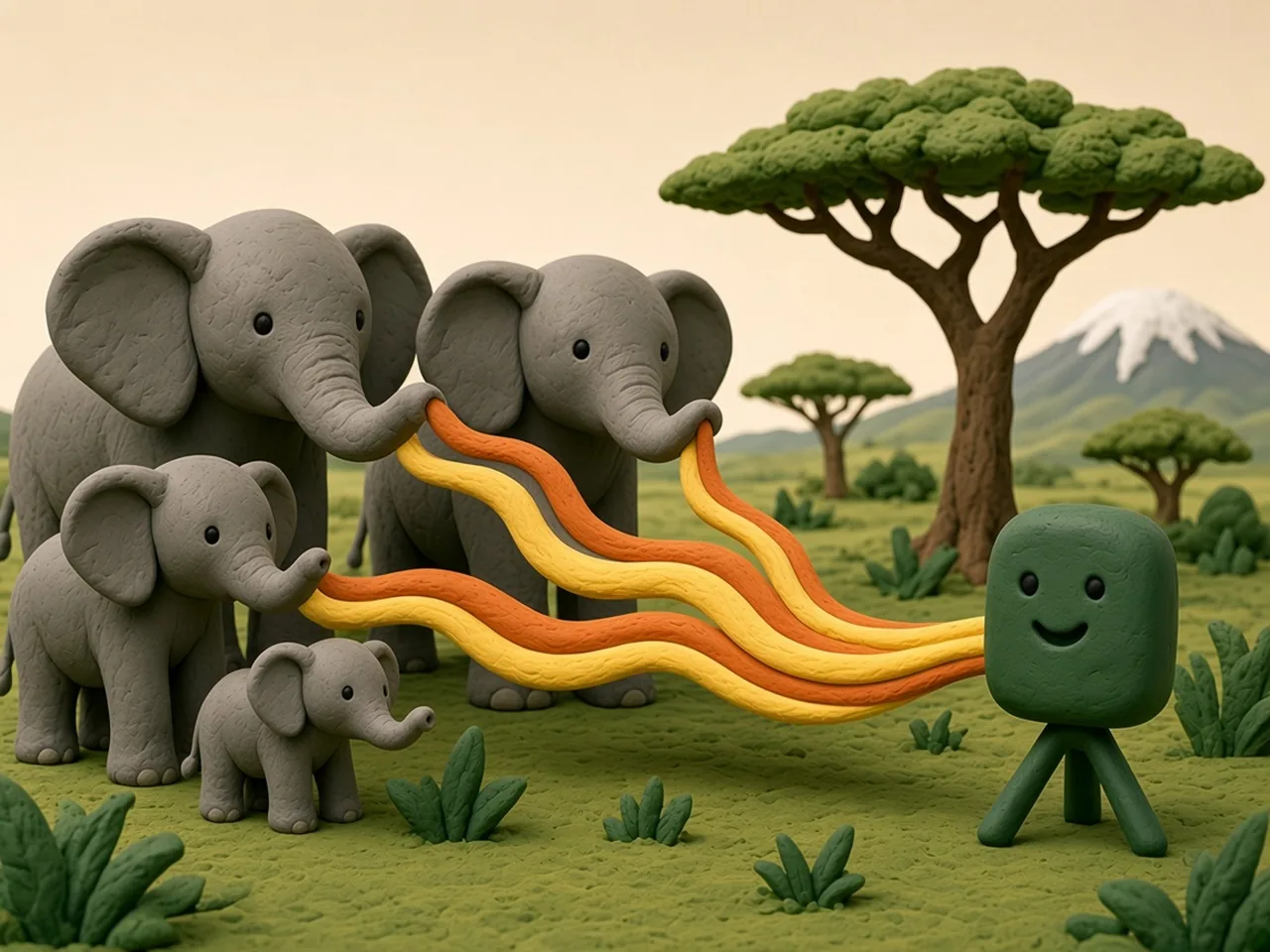
Machine learning listened to wild elephant choruses in Kenya and found the overlapping rumbles carry clues about what the herd is doing

Researchers at Earth Species Project, ElephantVoices and the Amboseli Trust for Elephants ran machine learning on 902 rumble recordings from wild elephants in Kenya’s Amboseli National Park. The models named what the elephants were doing from overlapping choruses better than chance, and during reunions and group plans, the callers’ rumbles grew more alike as the exchange went on.

Primary source · Source · The story + sources
More like this?
edition

DelightPromising

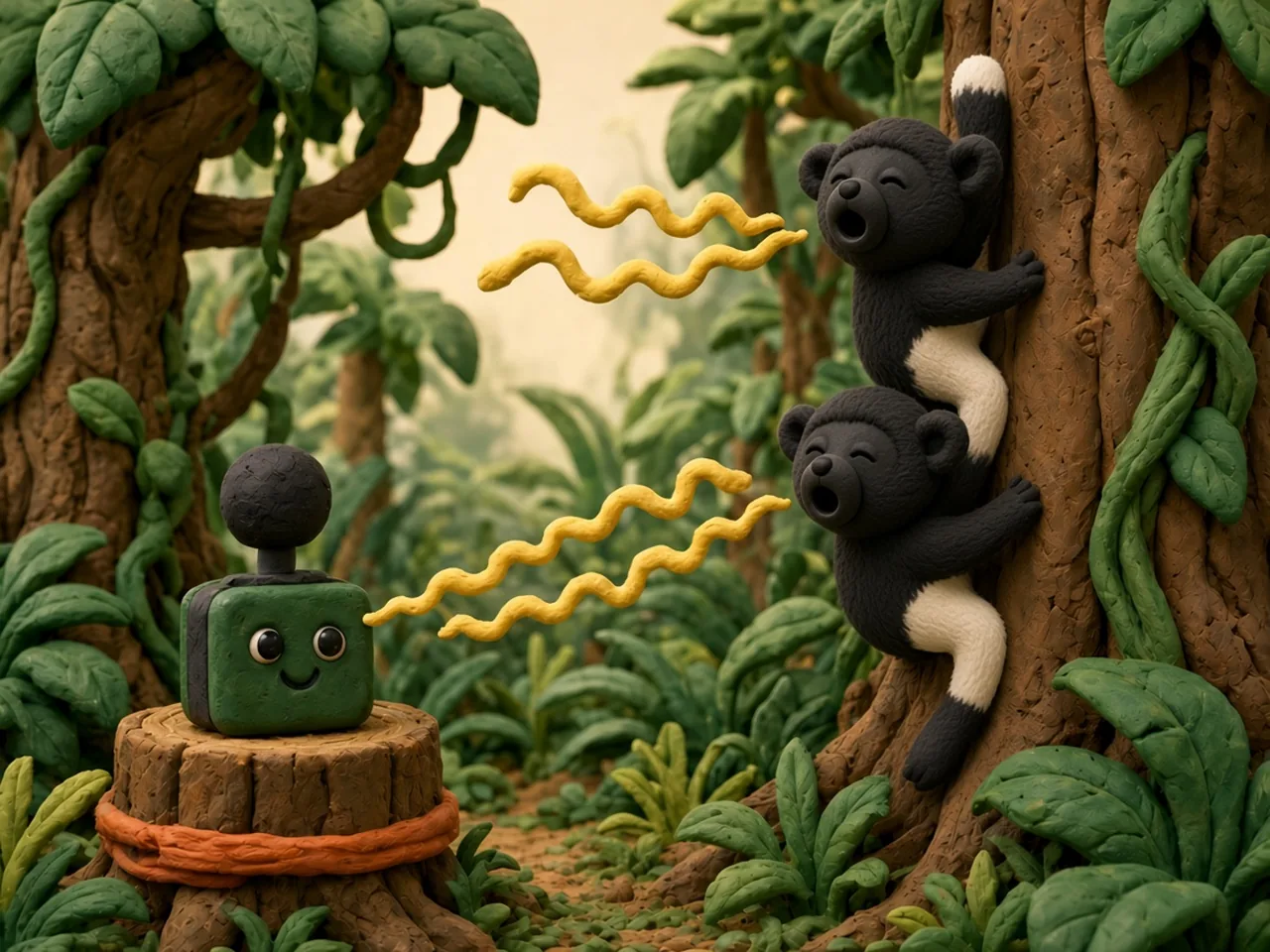
An AI listening network estimated how many singing indri lemur families live in a Madagascar forest, and it landed close to the real number

University of Turin researchers hung 26 recorders in Madagascar’s Maromizaha forest and used an AI model to pick out the songs of the indri, the world’s largest lemur. Their peer-reviewed estimate of 5.55 indri groups per square kilometer came close to the known 6.17, a promising way to count a critically endangered species without disturbing it.

Primary source · Source · The story + sources
More like this?
edition

DelightPromising

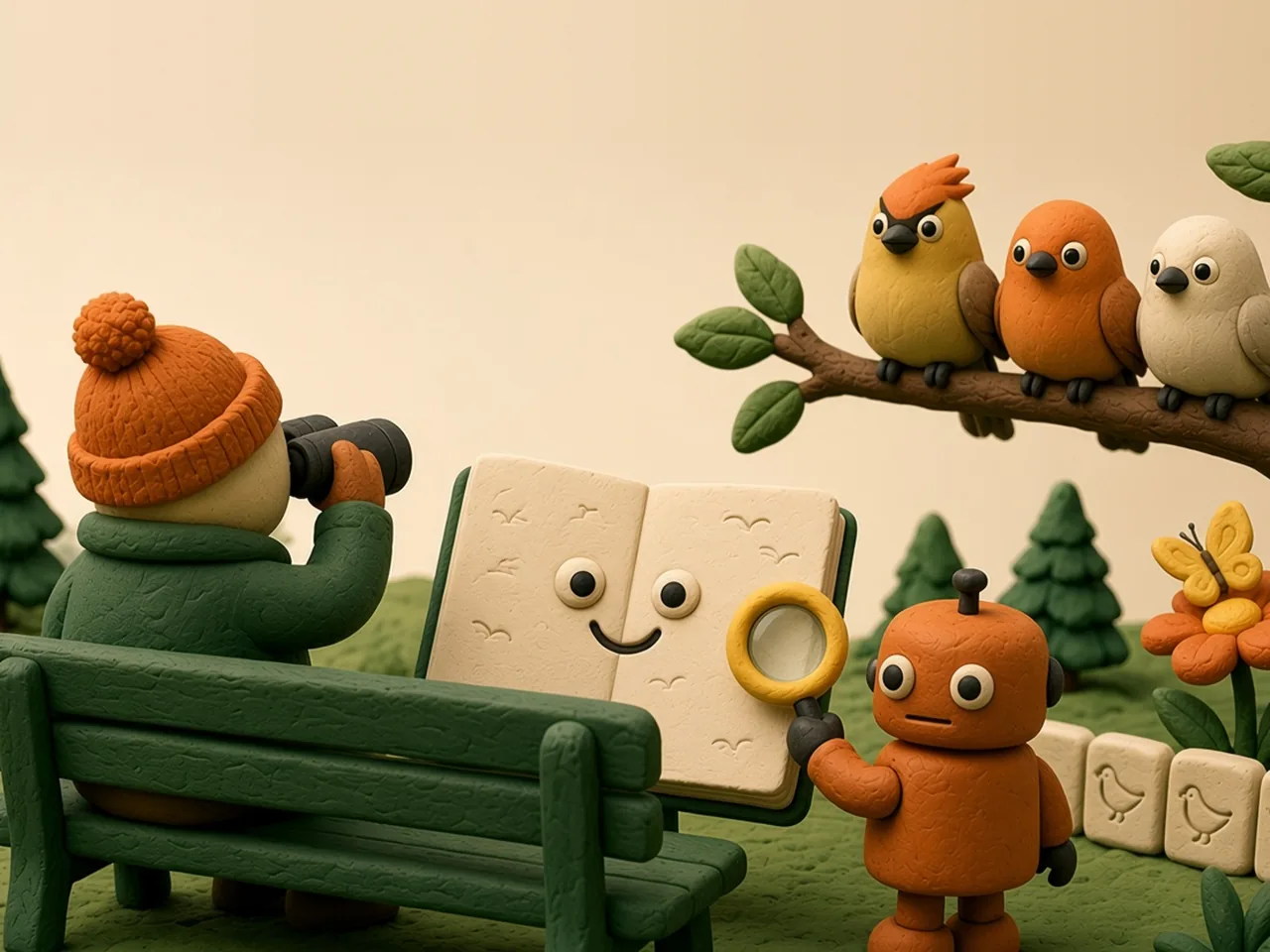
AI combed birdwatchers’ casual notes and flagged 29,345 that may describe wildlife encounters

Birdwatchers often add a quick note to a sighting, like “Mixed with bohemians.” University of Michigan researchers had AI screen 632,169 of those comments from Michigan eBird records and flag 29,345 that may describe birds flocking, feeding or chasing off predators together. Checked against a student’s hand sorting, a second AI sorted about four in five correctly, in minutes. People still check the work.

Primary source · Source · The story + sources
More like this?

edition

DelightThey wrote backTesting

A hobbyist and his AI helpers spotted a possible super-Earth. NASA’s planet hunter takes a closer look Oct. 31

Pavel Rabtsevich, a product manager in Spain with no astronomy training, had AI coding agents search public TESS data on 126,246 stars. One star dims for about two hours every 3.18 days, a hint of a planet about 1.4 times Earth’s width. The TESS team approved a closer two-minute watch starting October 31, and he posted his predicted dimming times first. It is still a candidate.

Primary source · Source · The story + sources
More like this?

edition

edition